Technology After Traumatic Events: California Wildfires
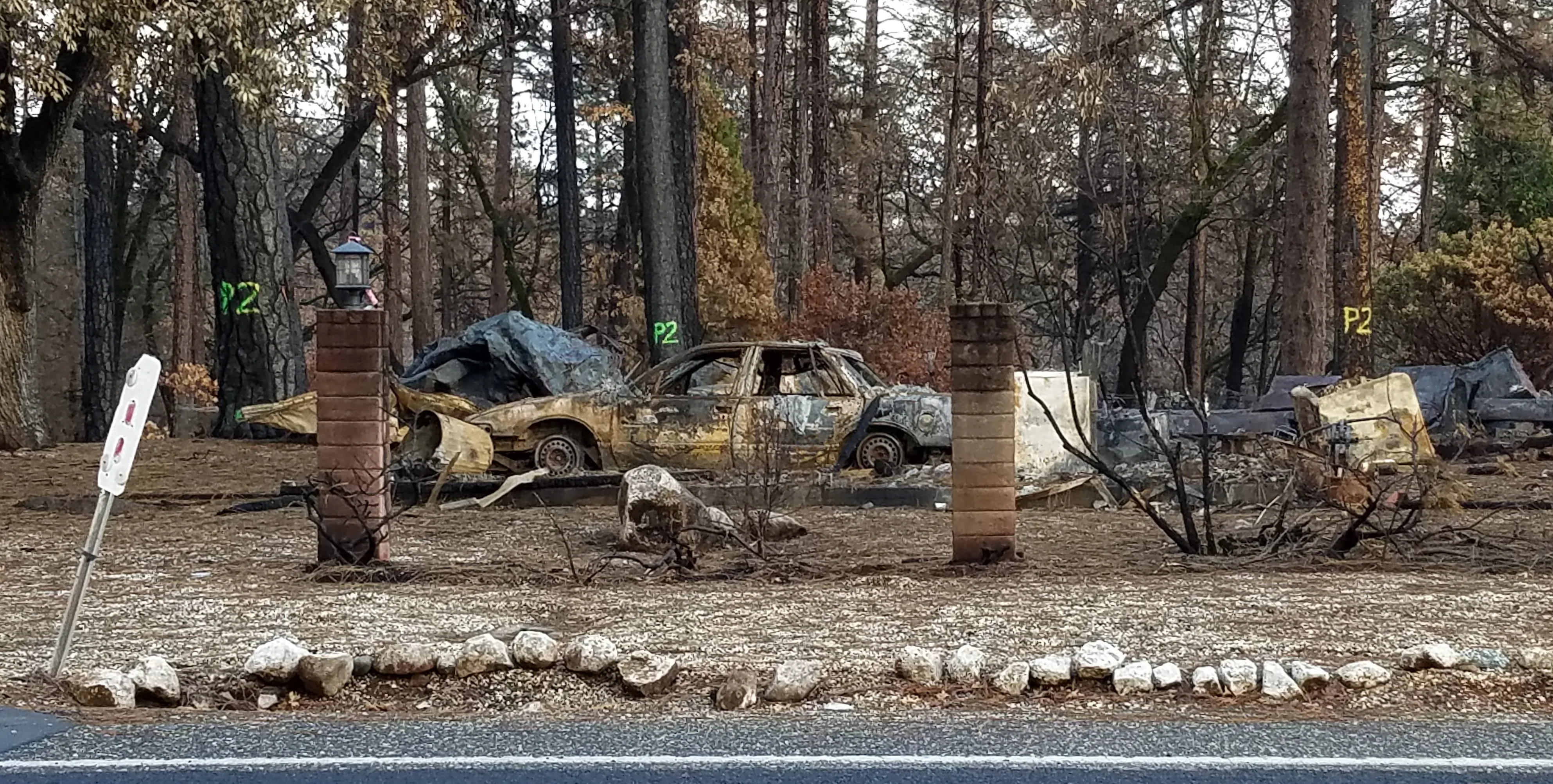
Devastating wildfires threatened California residents and wildlife, with two major incidents dominating 2018. The Camp Fire became California’s deadliest and most destructive wildfire, consuming over 150,000 acres, claiming nearly 100 lives, destroying thousands of structures, and causing $16.5 billion in damages in Northern California. The same day, the Woolsey Fire burned almost 100,000 acres in Los Angeles and Ventura Counties, killing three people and forcing thousands to evacuate.
Collaborating Under a Unified Mission
When California Governor’s Office of Emergency Services (CalOES) contacted ITDRC, the nonprofit mobilized over 50 Tech Task Force volunteers to Northern California. Working alongside the Red Cross and other organizations, these volunteers aimed to improve communication across affected areas.
“ITDRC is a great partner to California and serves a critical role in response and recovery,” noted Abby Browning, CalOES chief of private sector/NGO coordination, highlighting how the organization provided immediate assistance while maintaining long-term support for survivors.
During the Woolsey Fire response, ITDRC volunteers mapped fire damage using Unmanned Aircraft Systems. The organization established a recovery center at a Malibu motel, where it partnered with Access Networks, Dish Network, and Tesla to install satellite-enabled WiFi and temporary solar-powered infrastructure, enabling rescue workers and victims to maintain critical communications.
Bridging the Communications Gap Between Response and Recovery
ITDRC’s first incident commander, Chris Taylor, identified East Avenue Church in Chico as an ideal base of operations. The church’s large property naturally attracted evacuees and became a centralized gathering point for recovery efforts.
ITDRC established a call center at the church for supply ordering and coordination with the Red Cross. When doctors and nurses from Paradise Magalia Impact Center arrived to provide free medical services, the operation expanded significantly. A norovirus outbreak prompted ITDRC to set up quarantine units, demonstrating the organization’s adaptive response capabilities.
The nonprofit managed wireless communications across 25 sites spanning up to 150 miles. Beyond shelters, ITDRC supported temporary schools and distributed technology donated by vendors, installing infrastructure to serve fire survivors’ educational needs.
Partnering to Provide Long-Lasting Support
Medical professionals at East Avenue Church recognized a healthcare gap as survivors relocated to long-term recovery centers. They formed Medspire Health, an NGO that ITDRC supported through digitizing medical forms, automating workflows, and building donation-focused websites.
“Within a day, we had hundreds of community donations coming in,” reported Elisabeth Gundersen, Medspire president, crediting ITDRC’s website development with significantly boosting fundraising efforts. The organization began developing IT solution playbooks for future NGOs to streamline implementation.
Camp Fire Recovery: What Happens Next
By October 2019, ITDRC provided WiFi hotspots to FEMA temporary housing sites. Using a Dell Computer grant, the organization created custom hotspot trailers positioned in centralized community locations, providing free internet access for up to two years to residents unable to afford satellite services independently.
These trailers served dual purposes: enabling residents to submit housing applications and providing social gathering spaces, though residents had to leave their homes to access the internet.
Preparing for Disasters in 2019 and Beyond
ITDRC collaborated with CalOES and California Department of Food and Agriculture on a multi-year project assessing 100 state and county fairground sites for telecommunications, electrical, and internet infrastructure. Fairgrounds accommodate individuals, recreational vehicles, and livestock during natural disasters, making comprehensive infrastructure assessment critical for future disaster response.
As the Camp Fire’s one-year anniversary approached, ITDRC planned to support the Ridge Rising Event in November while continuing to provide free technology services to shelters and families in temporary and long-term housing. The organization remained focused on improving mobilization capabilities and coordination with local agencies for faster, more effective disaster response.