ITDRC Works To Keep Rural America Together
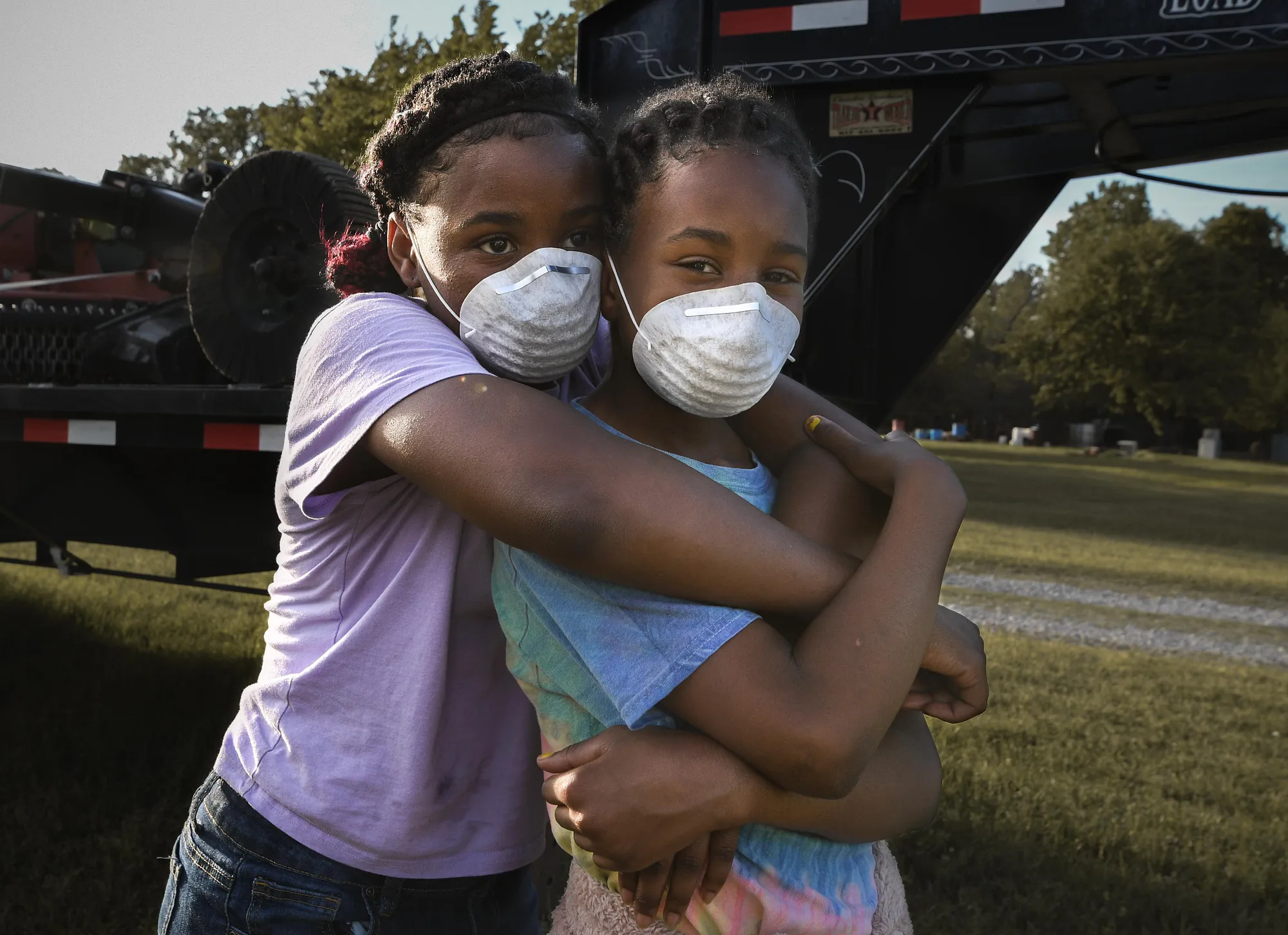
COVID-19 Threatens Country Living
Tatums, Oklahoma sits 18 miles from Interstate 35 down a gravel road. This farming community, established in 1895, faced uncertain prospects in 2020. Founded by freed Chickasaw slaves, Tatums was one of fifty African-American settlements across Oklahoma’s farmlands. Today, only 13 such all-black towns remain in the state after the Great Depression transformed many communities into ghost towns as farmers sought urban employment.
The town stretches across three streets with matching churches. According to the 2010 U.S. Census, 151 people, 68 households, and 45 families lived there. The median household income was $21,083, with no shops, restaurants, or consistent paved roads. Most significantly, Tatums lacked broadband internet access.
The Federal Communications Commission reported that more than 18 million Americans — 5.6 percent of the population — lacked high-speed internet. Rural areas experienced slower speeds and fewer provider options than other communities.
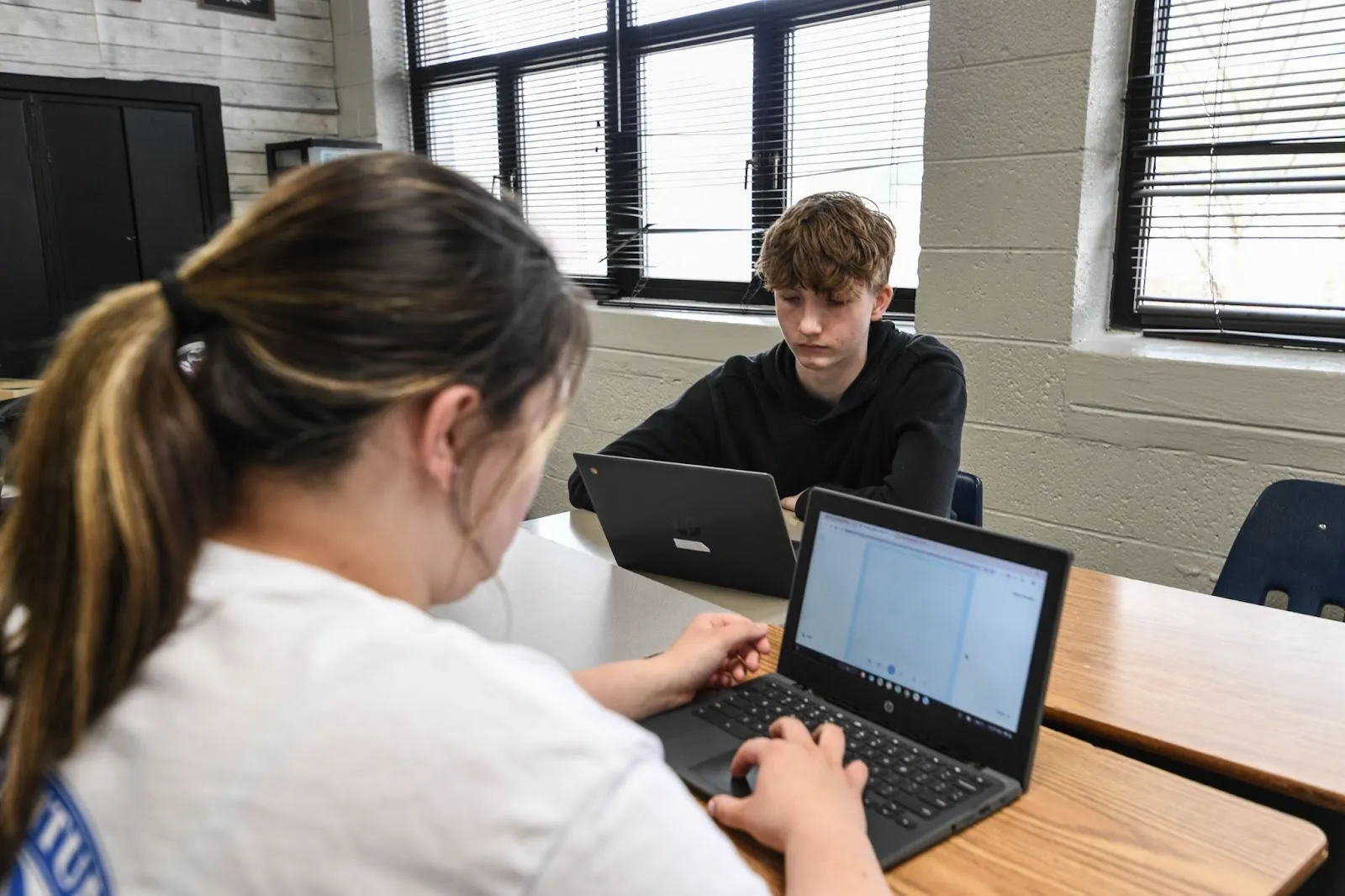
Distance learning became impossible without connectivity. When the pandemic restructured daily life, community concerns centered on children’s education. Adults maintained their farming traditions, but they wanted equal opportunities for their children.
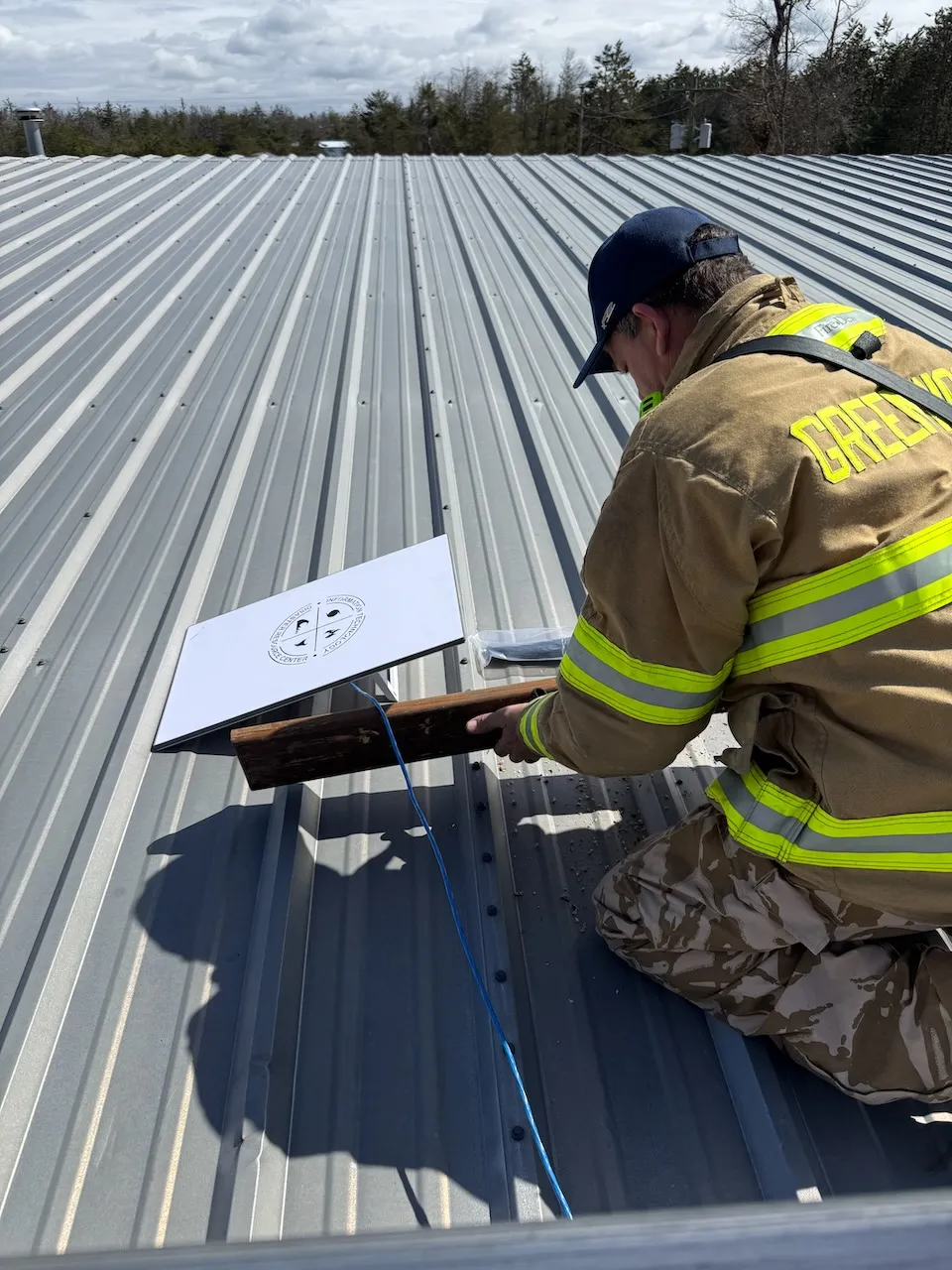
The Information Technology Disaster Resource Center received a request through its projectConnect initiative. ITDRC partnered with Dish Network to install satellite internet at Free Pentecostal Holiness Church, creating a homework hotspot.
Mayor Ella Deshazer Lawson expressed gratitude: “I think ITDRC is a very good thing and it’s a very good thing to get Internet to our children, something to grow their minds.”
Help Has Arrived
ITDRC volunteer Kate Norem arrived in April with equipment. Community members greeted her with enthusiasm and gratitude. Carolyn McConnell waited on the church porch, phone ready. Bonnie Hooks, a local pig farmer, had never connected her flip phone to WiFi before.
As Norem configured connections, Hooks observed: “Satan doesn’t like progress. But here it is!” Church friends nodded in agreement.
ITDRC Operations Director Joe Hillis noted the organization’s essential work: “Unless we do something, there’s not going to be any connectivity out there.” Experts predicted COVID-19 could devastate small towns through unemployment and resource scarcity, driving residents toward cities. ITDRC focused on rural communities residents called “God’s country.”
People Don’t Know We Are Here
Herbert McConnell, a local farmer, reflected on pandemic impacts while feeding goats. Born and raised on his homestead, he had no desire to leave. “I’ve got it better than most, got my own meat, raise my own vegetable,” he said.
McConnell had survived previous hardships, including losing 32 cattle years earlier. However, the combination of his town’s first COVID-19 death and economic uncertainty created unprecedented challenges. The simple rural lifestyle he knew was changing permanently.
Outside the church, community members celebrated the internet connection. Despite pandemic circumstances, progress arrived in their isolated community. Hooks emphasized the importance of seeking external support for advancement.