Reservation Finds Future For Youth After ITDRC Connectivity
Tribes Fight For Their Children To Have Access To The Internet
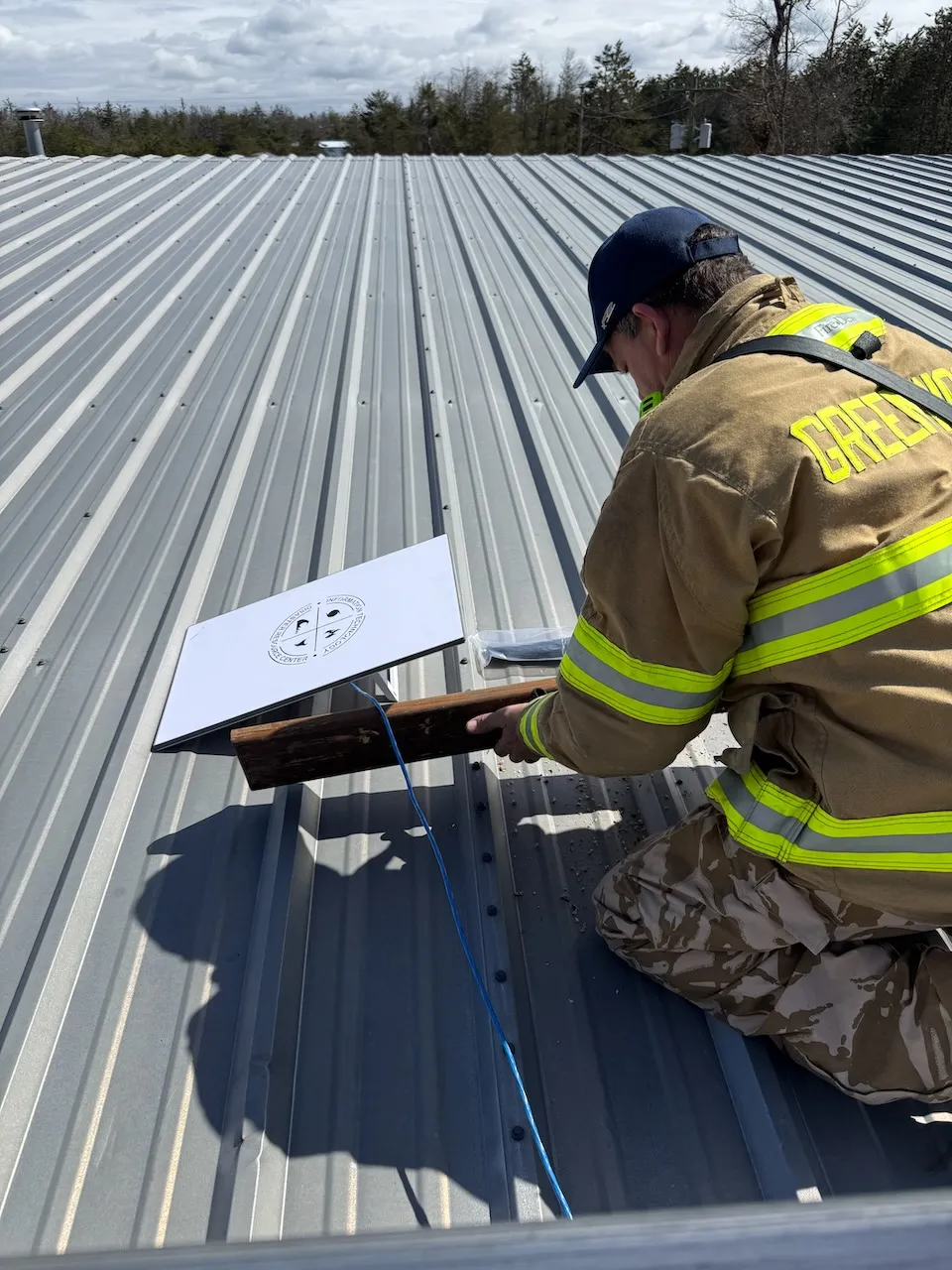
The Hoh tribe in Washington State has long struggled with internet access. Only the administrative building had connectivity, leaving approximately 1,600 acres of reservation land without cell service or broadband. This changed when ITDRC technician Bless Booth installed a WiFi tower at the center of the reservation.
MelvinJohn Ashue, a tribal council member who has advocated for better internet since 2012, was deeply moved by the installation. He had witnessed teenagers gathering at the admin building’s steps, begging to stay online during council meetings. The situation frustrated him, especially after the prison 12 miles away received internet connectivity while the reservation waited eight years.
Welcome to the Big World Of The Wide Web
When Booth demonstrated the connection on his phone, Ashue saw immediate possibilities. The tribe could now sell carvings online, share cultural events like boat races, and apply for grants previously unavailable to them. The installation represented a monumental shift for a community where most families lacked computers and relied on dial-up speeds.
ITDRC’s projectConnect initiative now serves 31 tribal nations across 11 states, addressing the digital divide that became particularly acute during COVID-19 lockdowns.
Fight Of Their Lives
The pandemic hit the Hoh tribe hard. Native Americans face higher rates of underlying health conditions including diabetes, asthma, and heart disease, according to the Department of Health and Human Services. The tribe had no testing site or doctor, forcing members to travel to the city for medical services.
The Hoh implemented strict lockdown measures, creating a 24-hour security task force to monitor entry and exit. Cecilia Ashue, MelvinJohn’s sister, organized the security shifts and managed another critical challenge: ensuring children remained fed and educated.
No Child Offline
Cecilia personally delivered school lunches to every child on the reservation, risking her own health to limit community exposure. She understood that “if one person gets sick here, most likely a majority of our population would get sick and we would lose,” she explained.
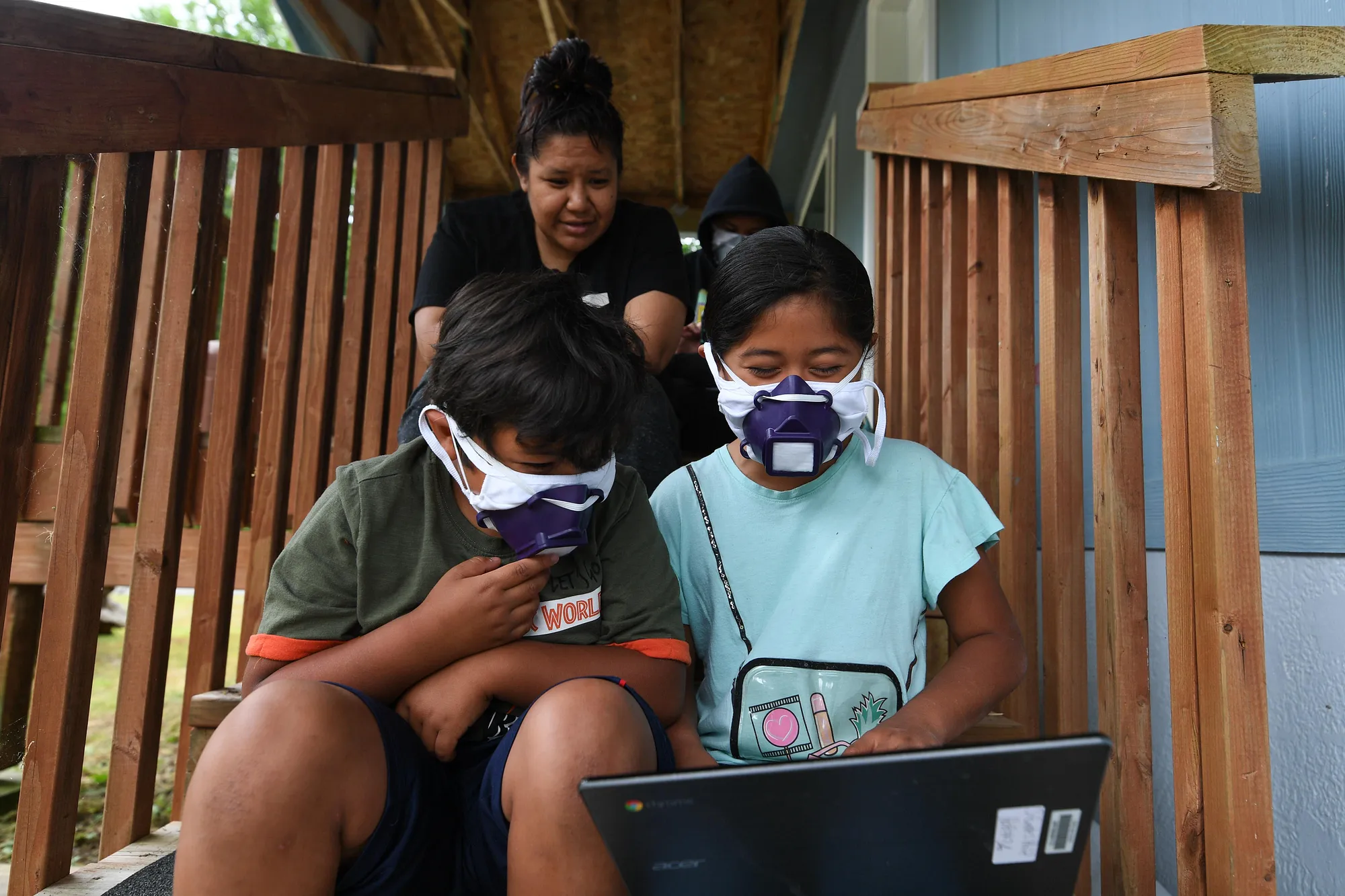
When children couldn’t access online schooling due to lack of internet, Cecilia supplemented their education with board games, coloring books, and hiking expeditions through the forest and to the beach. She encouraged children to release their fears in nature, teaching them traditional cleansing practices with fresh water.
Teachers called about children falling behind academically. Without internet access, students couldn’t complete assignments despite teachers offering online-only options. This digital inequality threatened their educational progress compared to connected students, who research suggests may only fall a few months behind during distance learning, while disconnected students could fall a year behind.
Impact and Future
With the Homework Hotspot now operational, children gather on the administration building steps once again — but now with tablets and phones connected to reliable internet. They complete homework assignments, enjoy recreational activities like TikTok dances and games, and access educational resources previously unavailable.
MelvinJohn views the installation as validation of his eight-year fight. He believes this generation will demonstrate their worth through newfound opportunities. Cecilia emphasizes that internet access means more than academic success — it represents hope and connection for a community that has historically felt abandoned by broader systems of support.