ITDRC Brings Communications Lifelines to MI Recovery
Michigan faced an unprecedented crisis when dam failures struck in the middle of the COVID-19 pandemic. The emergency unfolded rapidly, with Bob North, head of Gladwin County’s Emergency Operations Center, making a critical late-night call to alert downstream communities. “The water is coming,” he warned, prompting an evacuation of approximately 10,000 residents living below the dams.
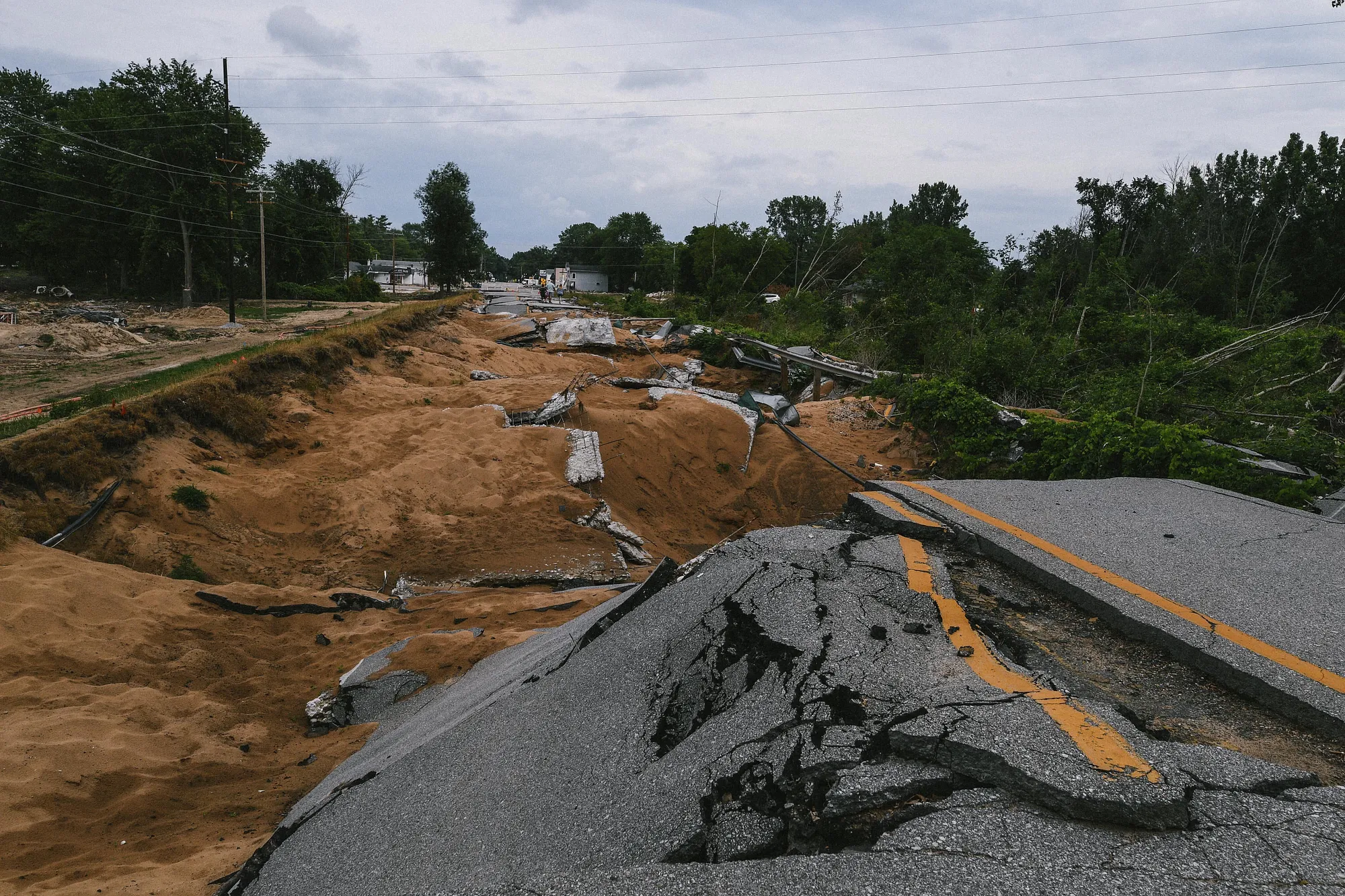
The disaster’s scale was staggering. Nine feet of water tore through rural communities as two lakes emptied downstream, demolishing homes, businesses, and infrastructure. Yet swift emergency communications prevented loss of life.
Compounded Challenges
The disaster occurred during unprecedented circumstances. COVID-19 protocols meant traditional volunteer responses were impossible. North explained: “Right now it’s like our volunteer base has become an inverted pyramid. COVID has really changed how quickly we can respond.”
Rural Michigan’s reliance on well water created additional urgency — the dam failures dried up wells across the region, leaving vulnerable populations, particularly elderly residents, without access to clean water.
Documentation challenges threatened recovery efforts. Federal funding applications required detailed assessments of every damaged property and home without running water, yet Gladwin County lacked adequate communication infrastructure to collect this data systematically.
ITDRC’s Response
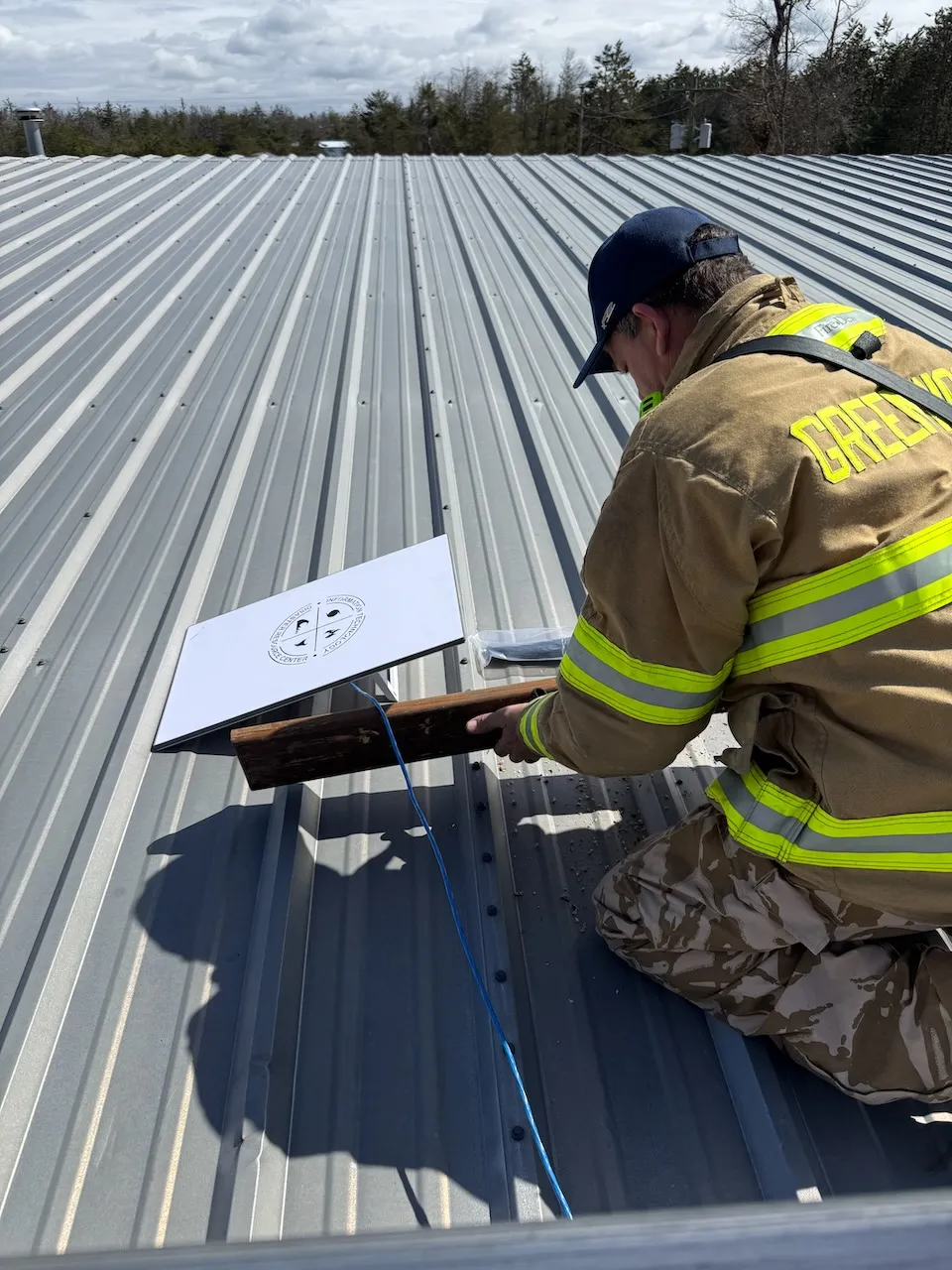
ITDRC deployed volunteers to address critical communication gaps. Tech Kate Norem established WiFi infrastructure at Sacred Heart Food Pantry at Sacred Heart Church, which evolved beyond food distribution. The facility became a multi-functional recovery hub, offering donated tablets to track displaced families and provide children with educational resources and recreational materials.
Jerome Township became another crucial hub, functioning as a public command center where residents could access internet connectivity, file FEMA claims, and contact insurance agencies.
Personal Impact
Ray Bauers and Marie Riste’s auto shop — their retirement investment — was destroyed by floodwaters. They faced overwhelming bureaucratic requirements without functional communication tools. Norem connected them to Jerome Township’s resources, enabling them to navigate recovery processes.
Looking Forward
Despite pandemic constraints, Norem remained committed to the region’s stabilization efforts. North acknowledged the partnership: “ITDRC did a great job and this is a team effort now.”
The Michigan response demonstrated how communications infrastructure becomes a lifeline during disasters, enabling not just survival but pathways toward genuine recovery.