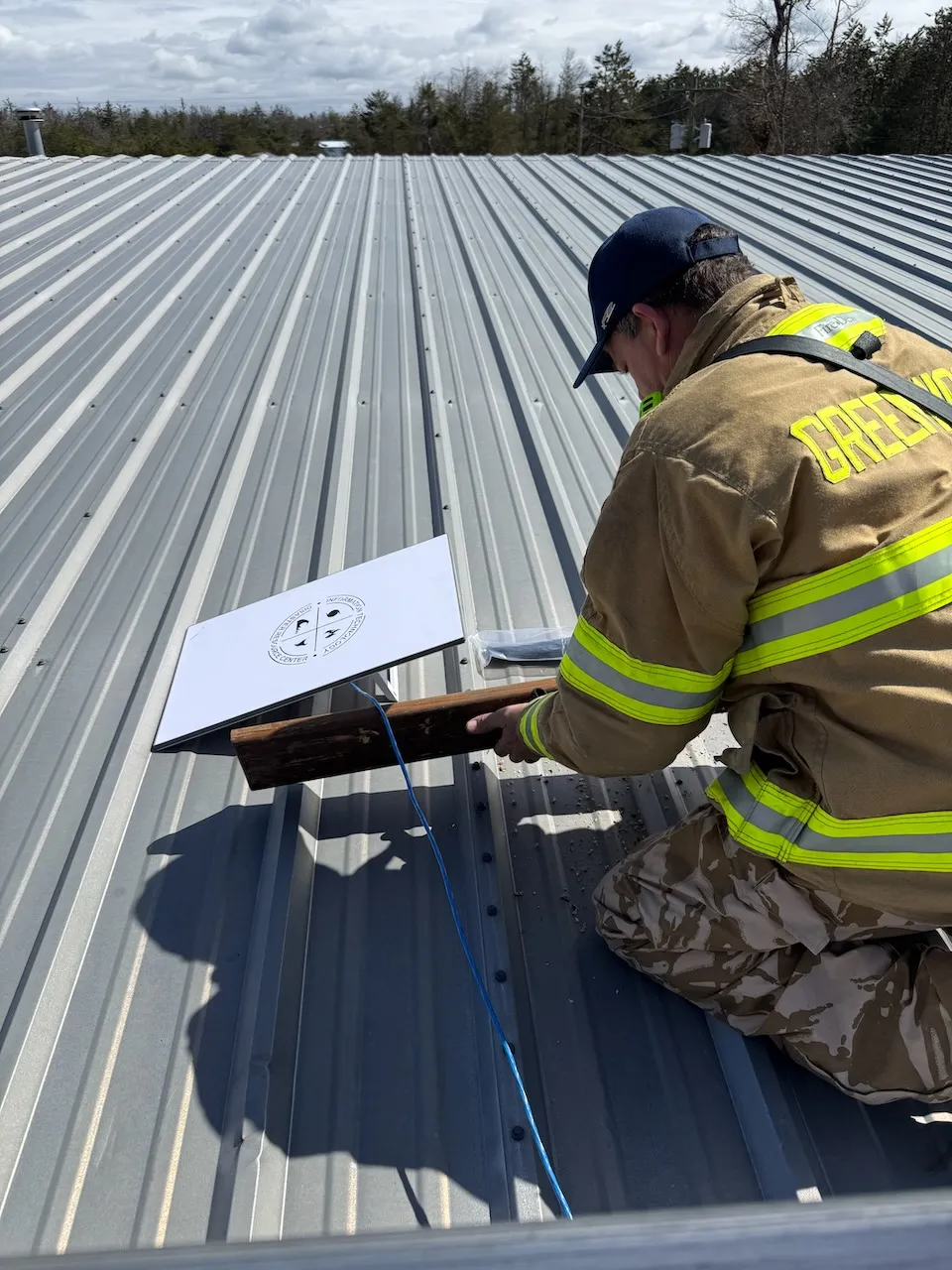
Held Together By Faith, Connected by the Internet
Thousands requiring lunch and thousands needing dinner — following Hurricane Laura’s devastation in Lake Charles, Louisiana, Christian Life Church in Vinton became a lifeline for survivors. Rather than miraculous provision, the church coordinated food donations through carefully scheduled truck deliveries and meals prepared using propane burners.
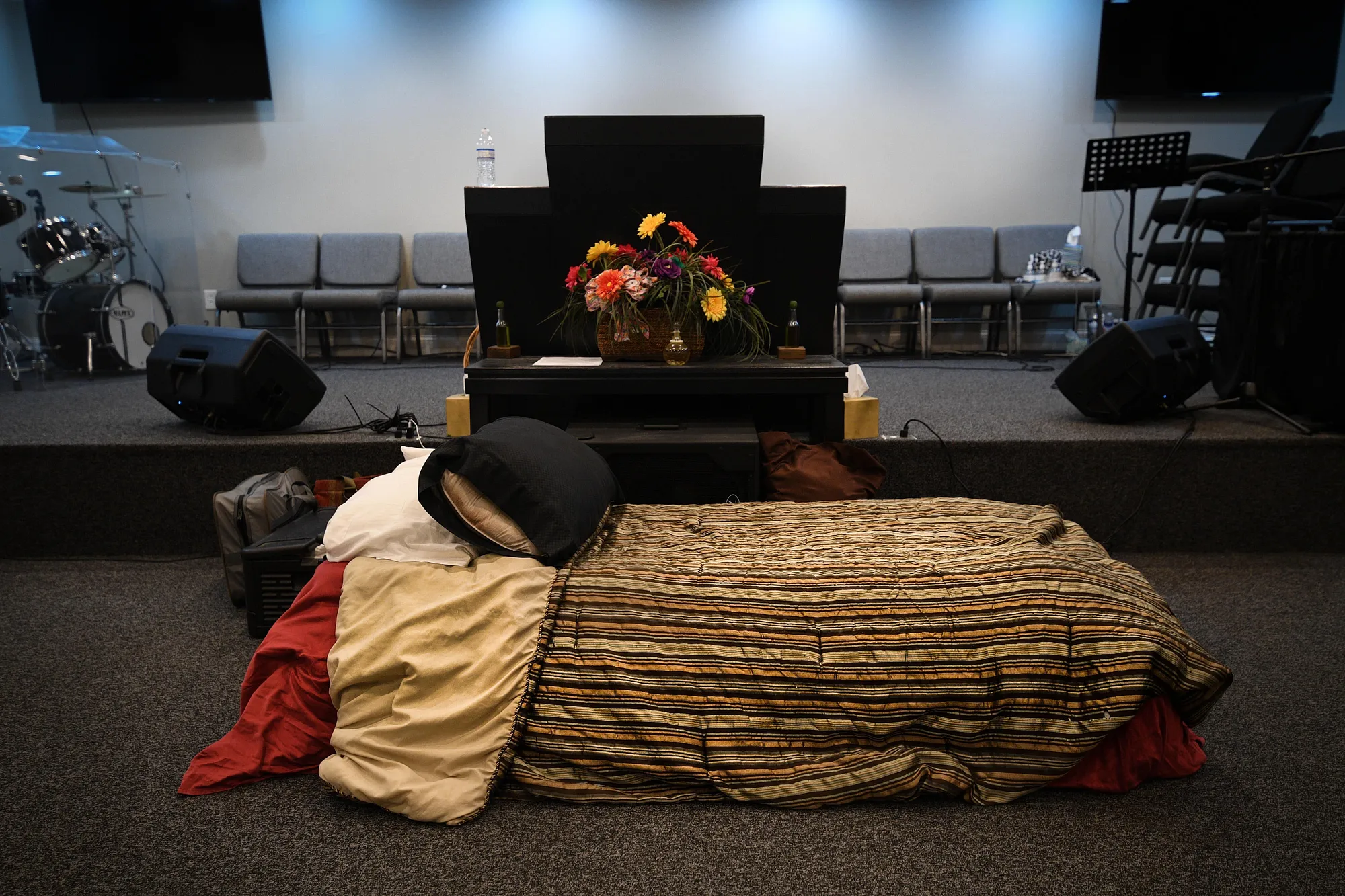
The congregation found themselves operating beyond their sanctuary walls, serving neighbors regardless of cost. The night after the storm, mattresses filled the sanctuary from entrance to pulpit, reflecting the church’s commitment to community care.
“The church is supposed to be the hands and feet of the community,” explains Pastor Don, “and that’s what we are out here doing.” The pastor had established a community food pantry six years prior, but reaching thousands of displaced residents required expanded coordination.
Pastor Don turned to Facebook to connect with his pastor network, requesting food donations and organizing local pickups. The sanctuary ran on generators for seventeen days while the church funded a shower trailer independently. The financial strain prompted reaching out to ITDRC.
The organization provided WiFi connectivity, computers, radios for volunteer coordination, and cell phone charging stations. These services enabled families separated by disaster to maintain contact during their most vulnerable moments.
Standing in the Storm
Jennifer O’Dell, a shelter resident, describes processing loss “piece by piece” rather than confronting everything simultaneously. During the hurricane’s landfall, church members gathered in the sanctuary with mattresses and overnight bags.
Within an hour, rainwater soaked through ceiling tiles. The 150 mph winds forced open locked doors that members had to forcibly shut and secure with wood and bungie cords. The congregation held hands, praying for survival.
“That night is life altering,” O’Dell recalls. “It was a dark night.” The experience left her with trauma responses — walls appeared to move, echoing the storm’s physical violence.
O’Dell lost her home but discovered purpose in helping others. She now participates in the church’s daily meal preparation starting at 7 am and continuing until midnight. Her inflatable mattress occupies the space where pews five and six normally sit.
“I’ve learned to love other people,” she reflects. “Trauma will change you.” She credits the shared storm experience with creating bonds that will persist indefinitely.
Serve and Reach — A Year of Hard Work
The internet connection transformed operations significantly. Pastor Don began facilitating FEMA applications from the church office, converting the facility into a comprehensive disaster relief hub.
Utilizing the WiFi connection, the congregation posted Facebook alerts announcing meal availability. Traffic backed up over nearby bridges as the community responded. Out-of-town preachers, some traveling from Houston, arrived with donations and volunteers after seeing the pastor’s social media requests.
“We were able to help our community and reach them because of that Internet,” Pastor Don states. The expanded operation required daily management, but the pastor maintains perspective: “No matter what you go through, there’s a way out. Sometimes you have to trust God and manage day by day.”
Volunteers now jog to cars delivering meals while visiting clergy distribute water. When a woman asks from her car, “When you doing church again?” Pastor Don responds: “We’re doing church right now!”