More Than Books -- The Pottsboro Library
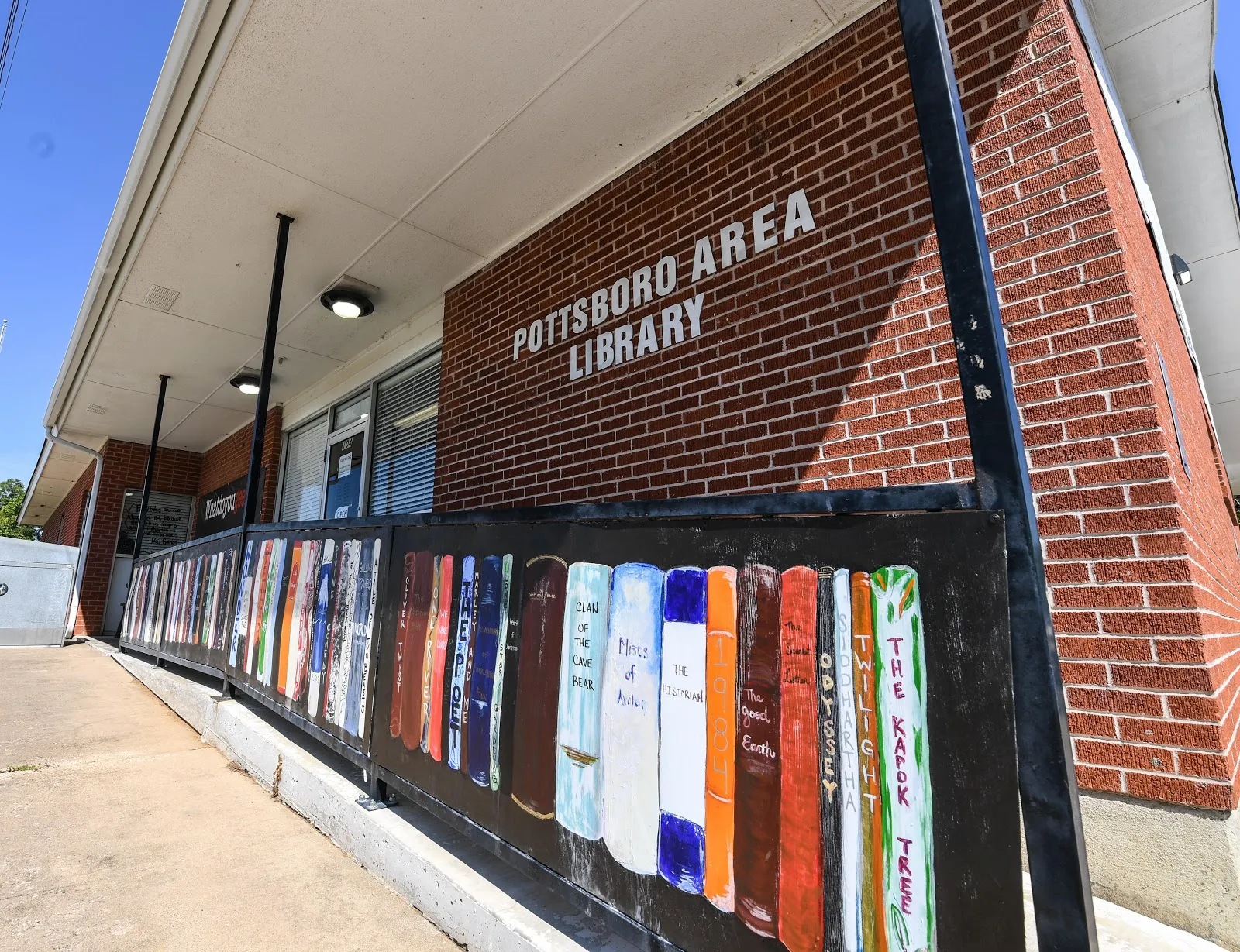
Nine years ago, Dianne Connery, Volunteer Director of Pottsboro Library, faced a sobering question at a city meeting: “How many months until we have to close?” The small Texas library — the only one in town — depended entirely on donations and volunteers, both sources dwindling.
The library occupied a former post office with “gray walls and overcrowded book shelves.” Few residents even knew the facility existed. Checking the circulation log revealed that no books had been checked out in years prior to Dianne’s arrival.
Rather than accept closure, Dianne resolved to transform the library’s role in her community. She recognized a critical gap: “without technology these kids won’t stand a chance and they won’t be on a level playing field.” Pottsboro, a rural town near the Oklahoma border with just 2,449 residents, lacked internet infrastructure. Satellite remained the only connectivity option for many neighborhoods.
Transforming a Community Institution
Dianne reimagined the library as a technological and educational hub. She partnered with Lindy Meiser, her only employee, who adopted the philosophy: “We will figure it out together.” Together they:
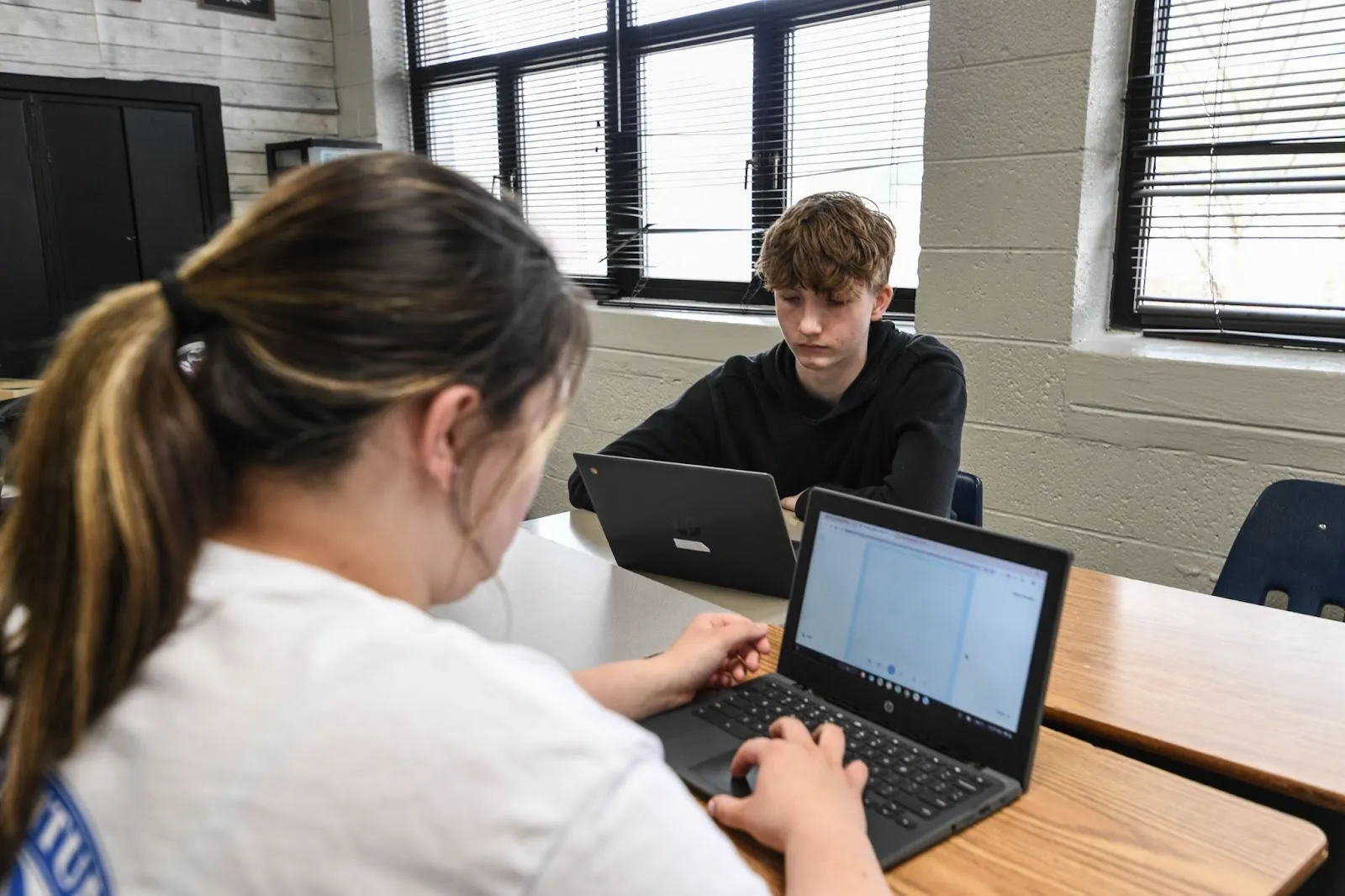
- Added a computer lab with gaming chairs
- Secured grants for improved internet access
- Conducted weekly technology training sessions
- Established environmental sustainability classes
- Opened a community garden
- Started a bike rental program
The digital divide affected local youth significantly. Teenagers and high school graduates often arrived unaware how to operate computers or access the internet — skills city children took for granted.
COVID-19 and Critical Infrastructure
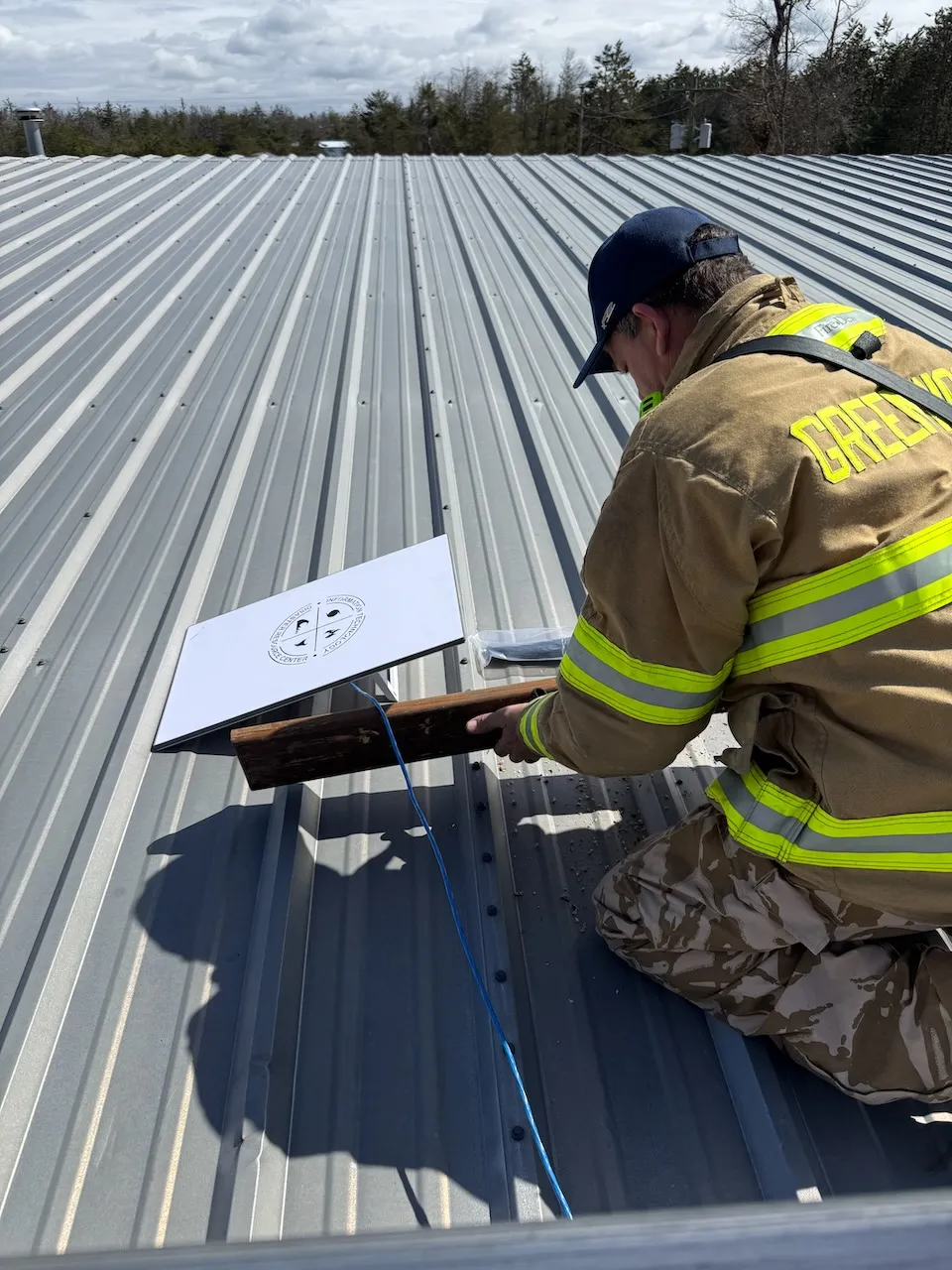
When the pandemic forced school closures, the library and school district identified broadband gaps affecting remote learning. Through ITDRC’s projectConnect initiative, they obtained a mobile hotspot trailer for a remote apartment complex.
An additional access point installed outside the library transformed it into the town’s connectivity hub. Lindy recalls pulling into the parking lot the next morning to find it “packed.” Residents quickly discovered the new connections and spread word through the small community.
The parking lot became a workplace for those displaced by COVID-19 job losses. Patrons took food handler courses, completed job applications, and filed unemployment — tasks requiring internet access unavailable elsewhere. Lindy noted they “help people file unemployment about three times a week now.”
The Library’s New Purpose
Unlike traditional book-centered institutions, Pottsboro’s library became community-centered. Dianne’s strategy was deliberate: “if we become important enough to the community, they will be up in arms if we have to close.”
The internet speeds improved dramatically — the library now boasts the fastest connection in town. Previously, the connection was so slow that simultaneous users couldn’t function. Dianne addressed lingering stereotypes about libraries: people thought, “I don’t need a book so I’m not going to the library.”
Lindy offered a welcoming philosophy that captured the library’s transformation: “We tell some kids it’s magic, but mainly we want them to walk through our doors and know someone cares. No one will shush you here.”
The Pottsboro Library demonstrates that modern institutions must evolve beyond traditional models to remain vital. For rural communities lacking infrastructure, the library became essential infrastructure itself — bridging the digital divide and supporting economic opportunity, education, and community resilience.