Emergency Call Center Helps Kentucky Rescuers Locate 167 Missing Persons
Communications Disrupted After December Tornado Outbreak
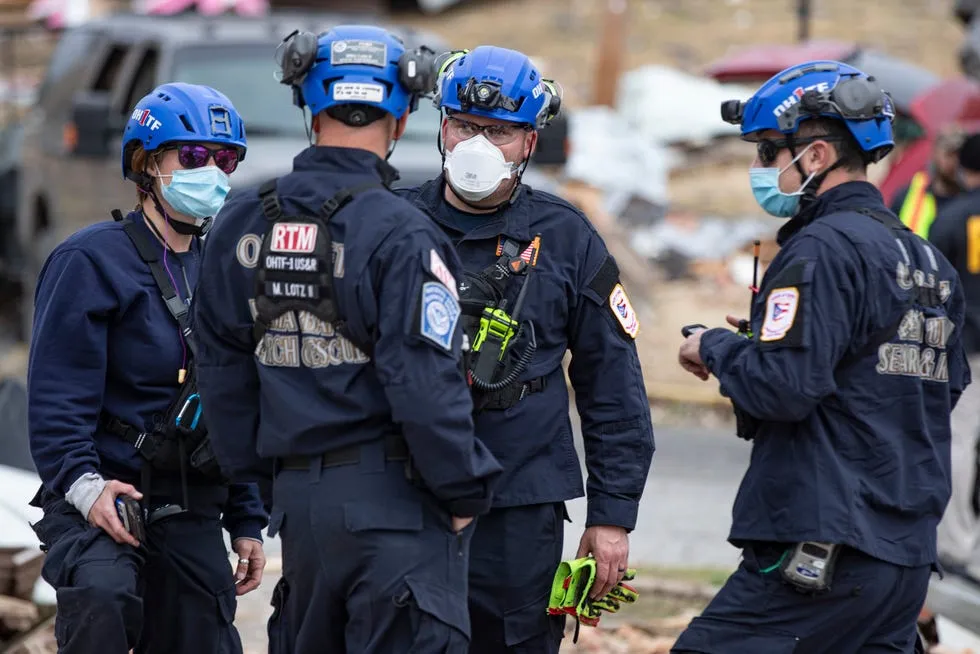
A tornado outbreak devastated five states in December, just two weeks before Christmas. ITDRC’s Tech Task Force mobilized within hours, dispatching teams to Arkansas, Missouri, Tennessee, and Kentucky for needs assessments and to restore communications for first responders and emergency management officials.
Hopkins County in Western Kentucky faced catastrophic damage from multiple tornadoes, including a deadly EF4 that overwhelmed local resources entirely. The destruction was so extensive that nearby cities, counties, and regional jurisdictions were equally strained.
“We immediately requested federal assistance because it was huge,” explained Nick Bailey, Hopkins County emergency manager. “It’s really hard to plan for something when you lose nearly 75% of a local community.”
The county faced an unprecedented challenge: locating 167 missing persons. Search and rescue teams deployed 500 people, sifting through rubble for nearly 4,800 hours. However, they encountered a critical obstacle — communications infrastructure had failed.
“We had to rely on a lot of local communications, we had to rely on local port to port radio communications,” Bailey noted, citing “the lack of cellular service, the lack of internet connectivity, the lack of fiber connectivity, and our county’s public safety radio system went down.”
Bailey connected with an ITDRC Tech Team on day three. The immediate need was an emergency call center where loved ones could report missing persons and officials could gather critical information about their last known locations and contact details.
“A call center was not in the emergency plan. They had never needed one before now,” marking what Bailey described as “just chaos.”
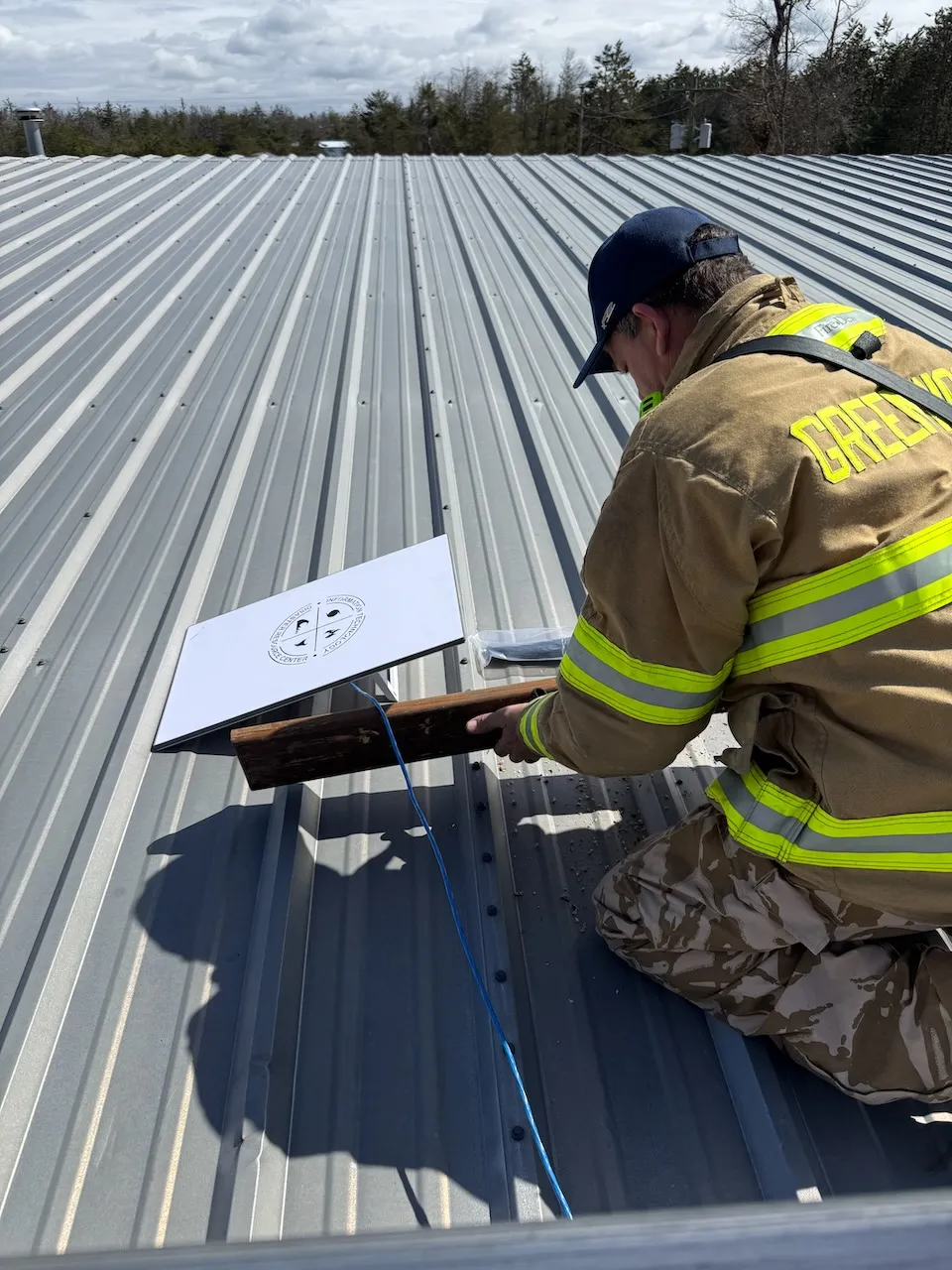
ITDRC provided two critical services: establishing a call center at the county’s Emergency Operations Center in Madisonville, and deploying remote volunteers to search for digital footprints of missing persons through open-source intelligence (OSINT) methods, including social media monitoring.
Within 90 minutes of Bailey’s request, the call center was operational. The county publicized the number across social media and local television stations. The platform enabled emergency management to share information about food, shelter services, and family follow-ups.
“It ran on every local media outlet we ever had, radio, TV, I believe it actually ran on a couple of national stations as well,” Bailey recounted.
Five days after installation, all 167 missing persons were accounted for.
“The fact that ITDRC was able to bring in this kit and use it as a call center was a life saver,” Bailey stated. “We were able to locate 100% of the people unaccounted for.”
Hopkins County is revising emergency plans to include call center capabilities for future disasters and plans to engage ITDRC resources.
“ITDRC is a valuable resource to have, especially for these smaller counties that have limited resources,” Bailey emphasized.
The call center officially closed in late January.